Emergency Medical Supplies for Marine & Industrial Operations
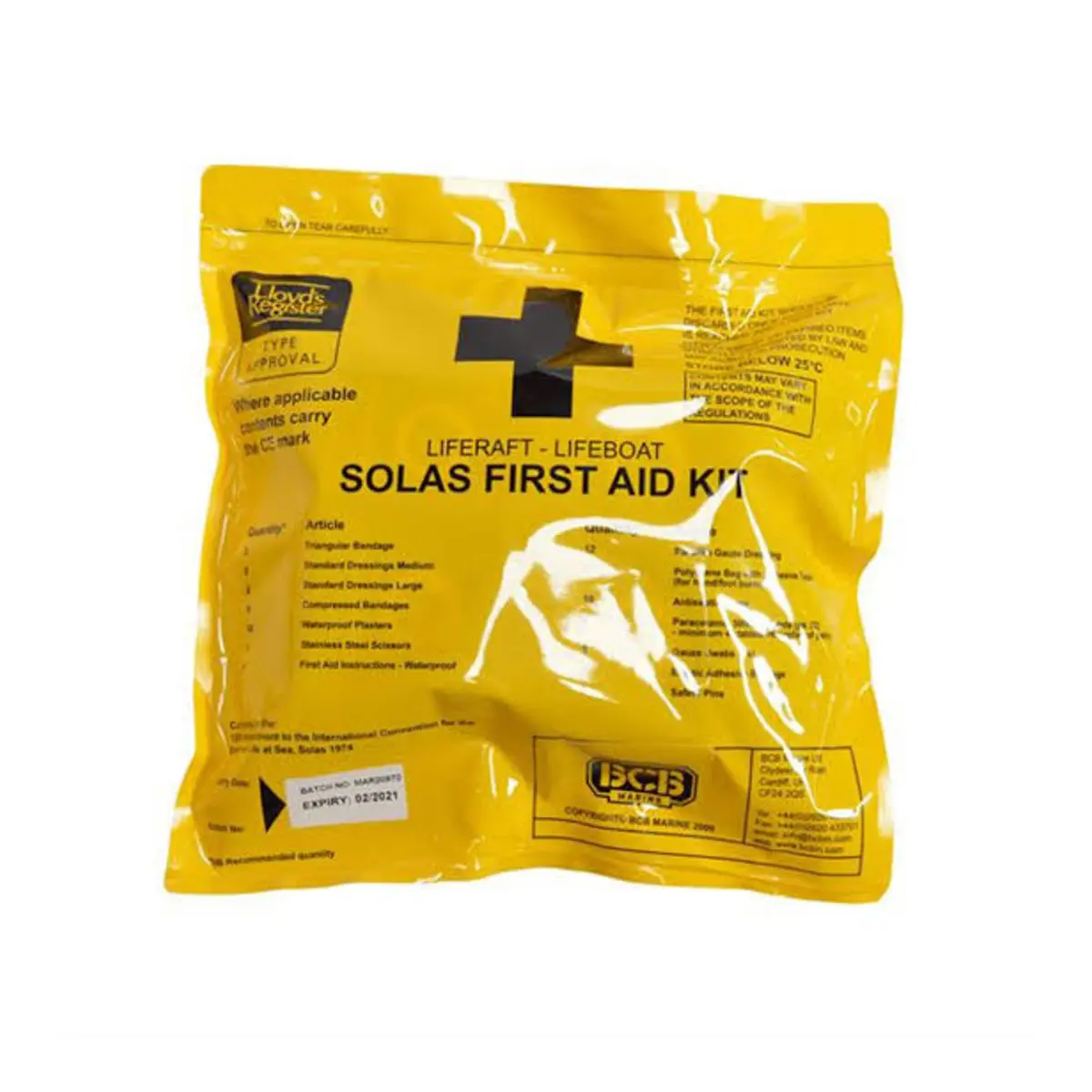
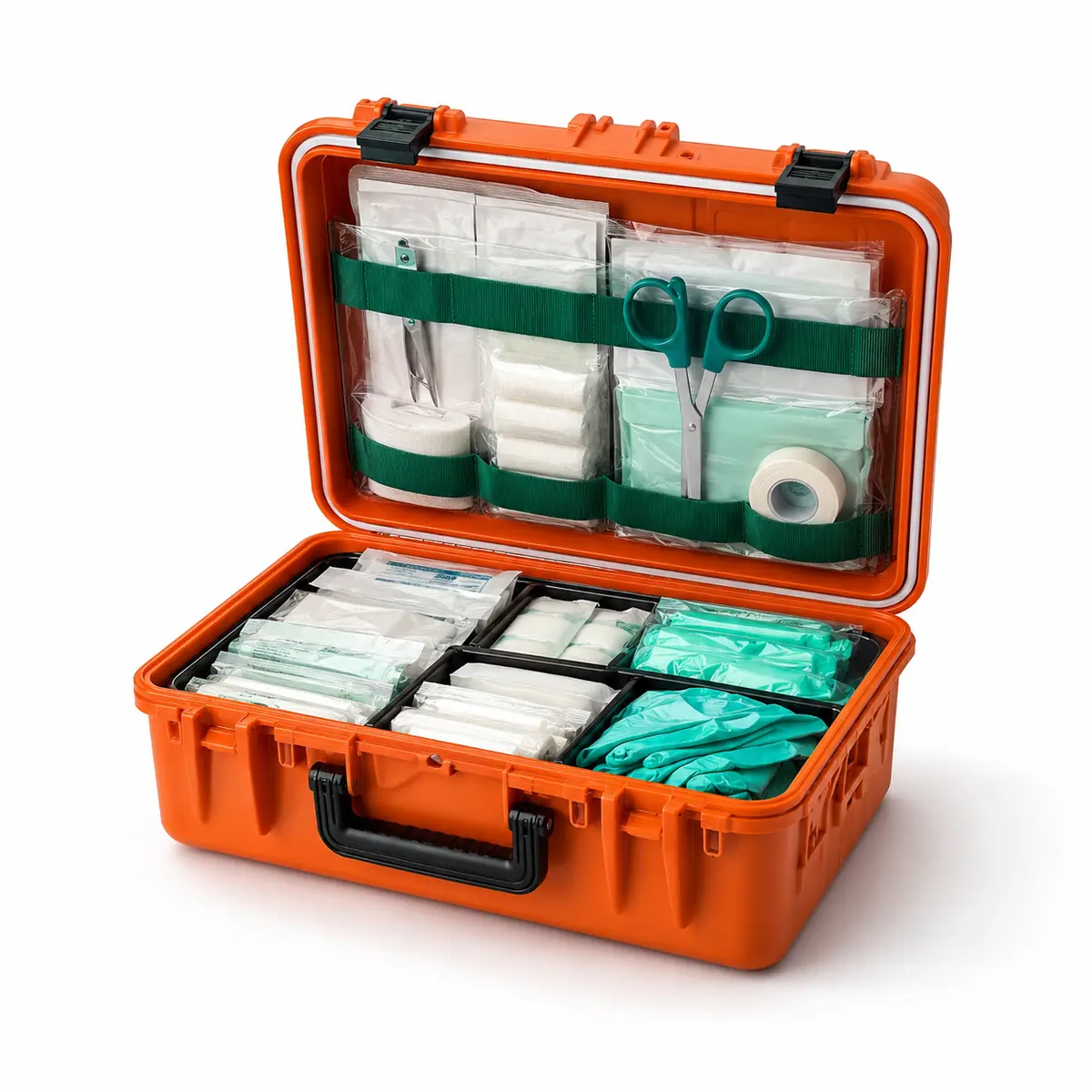
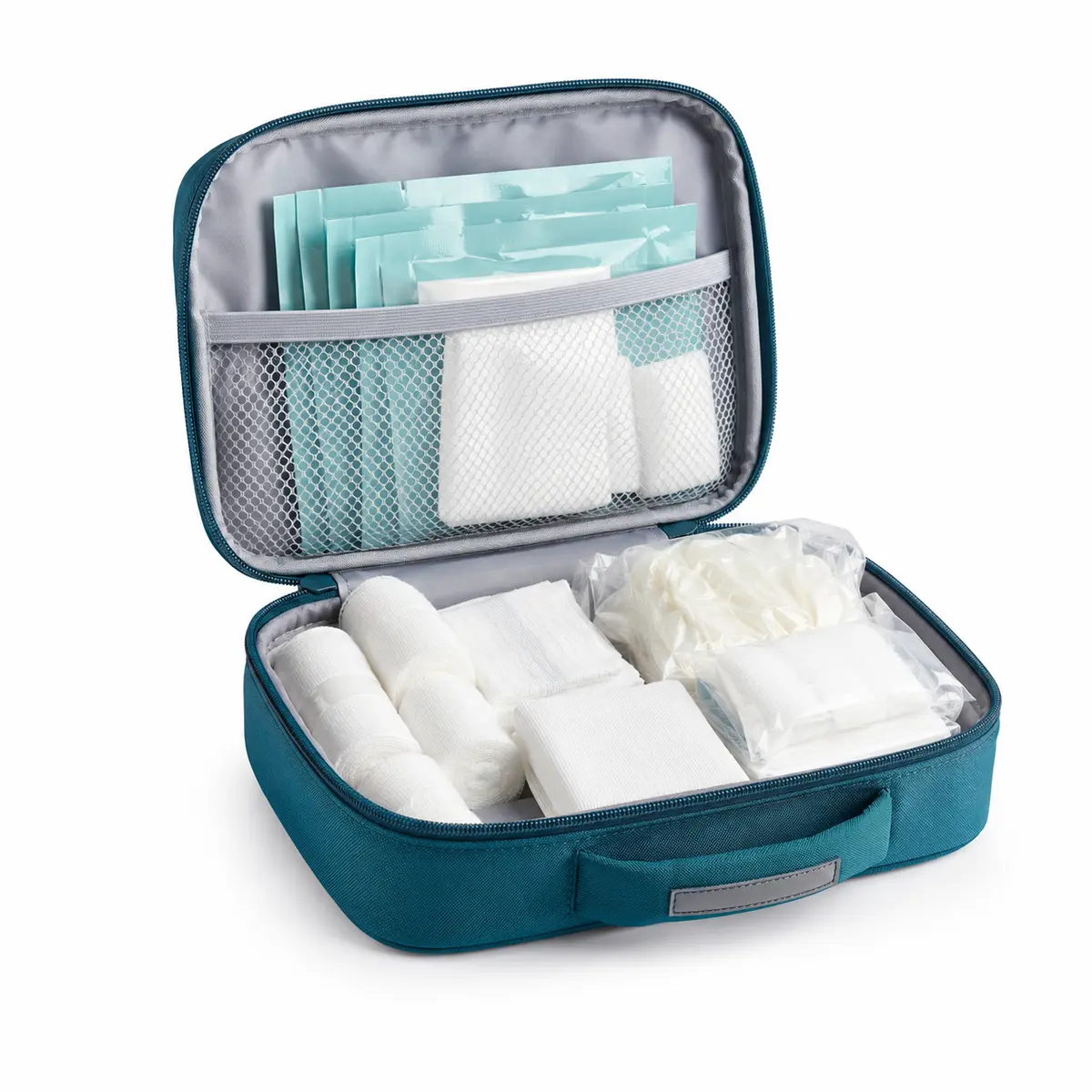
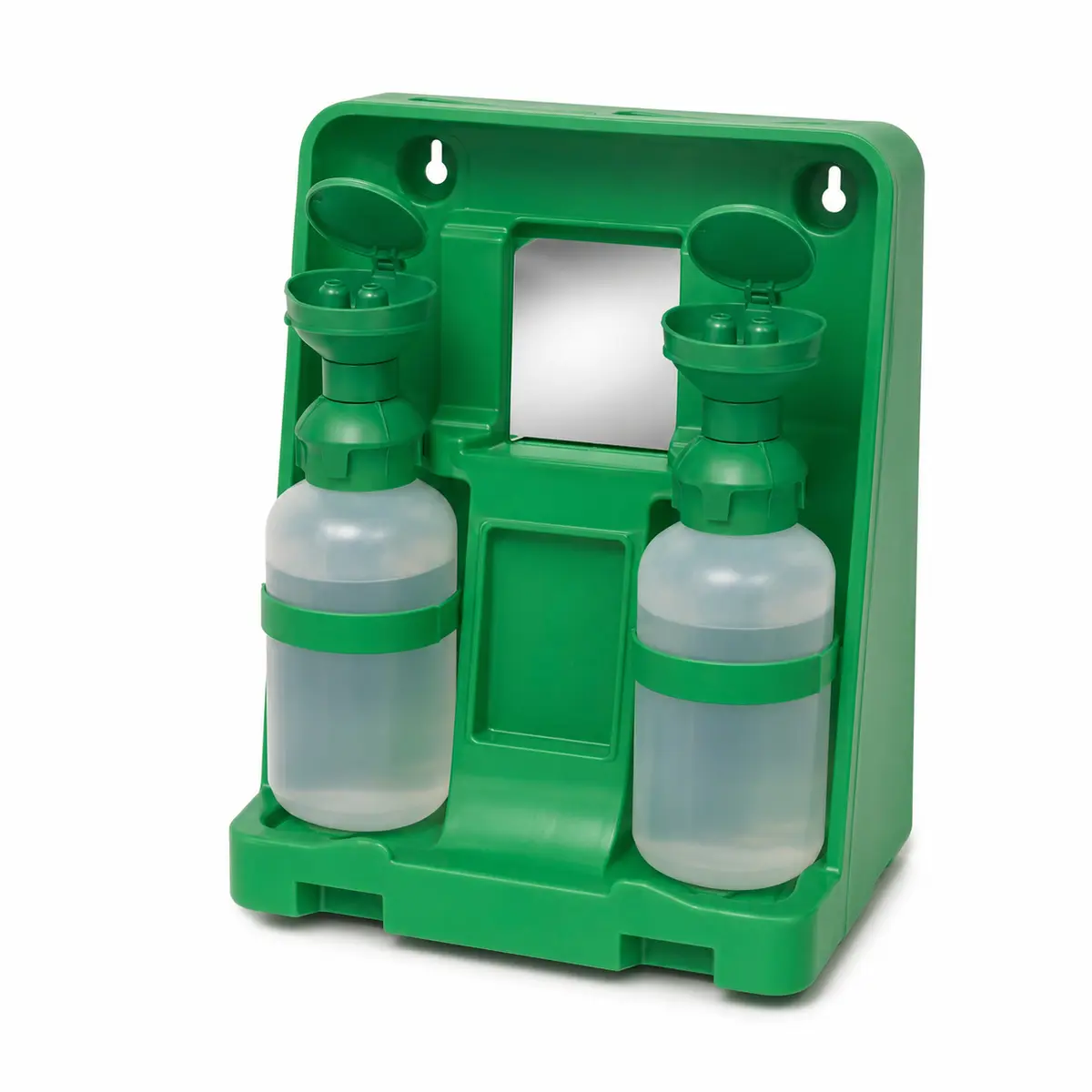
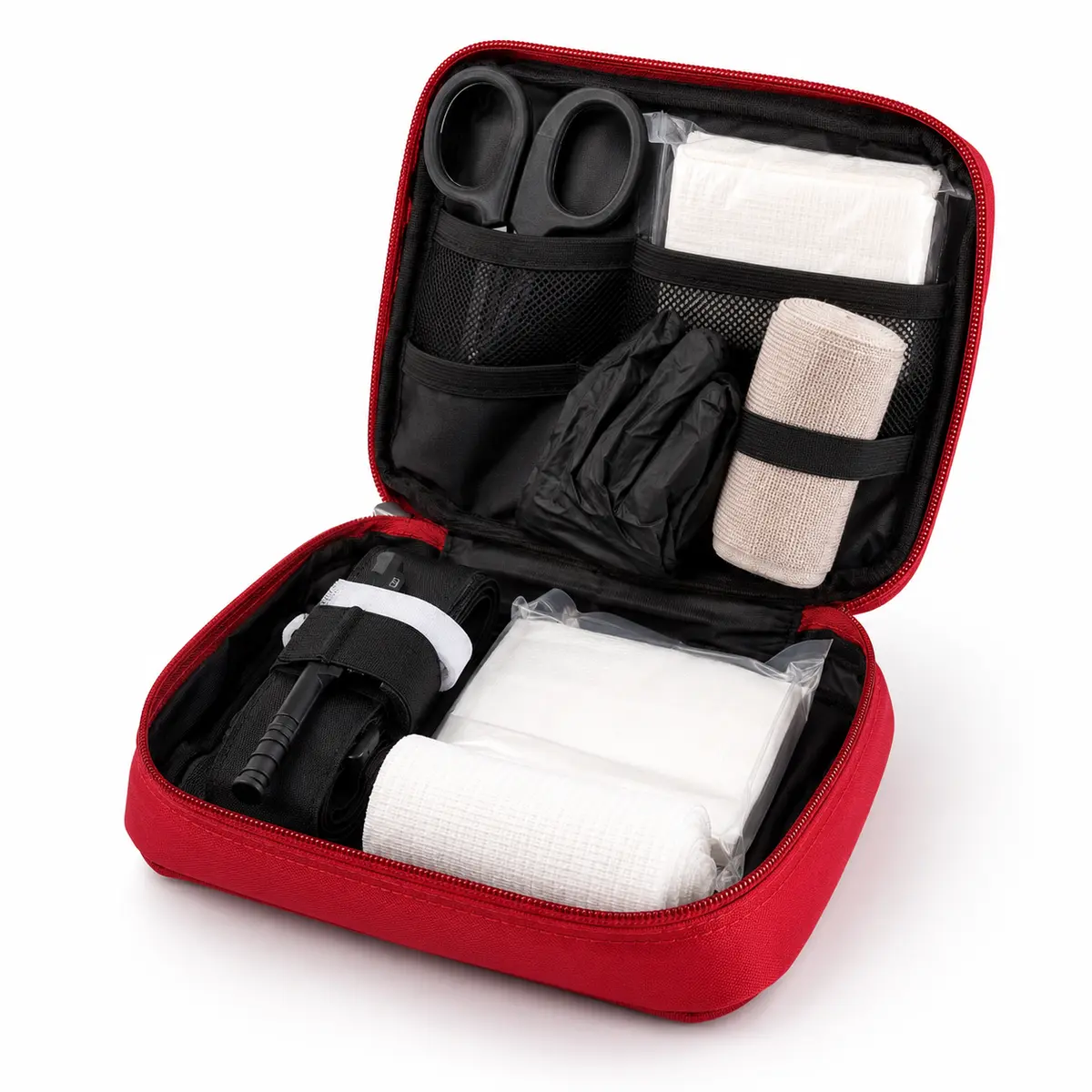
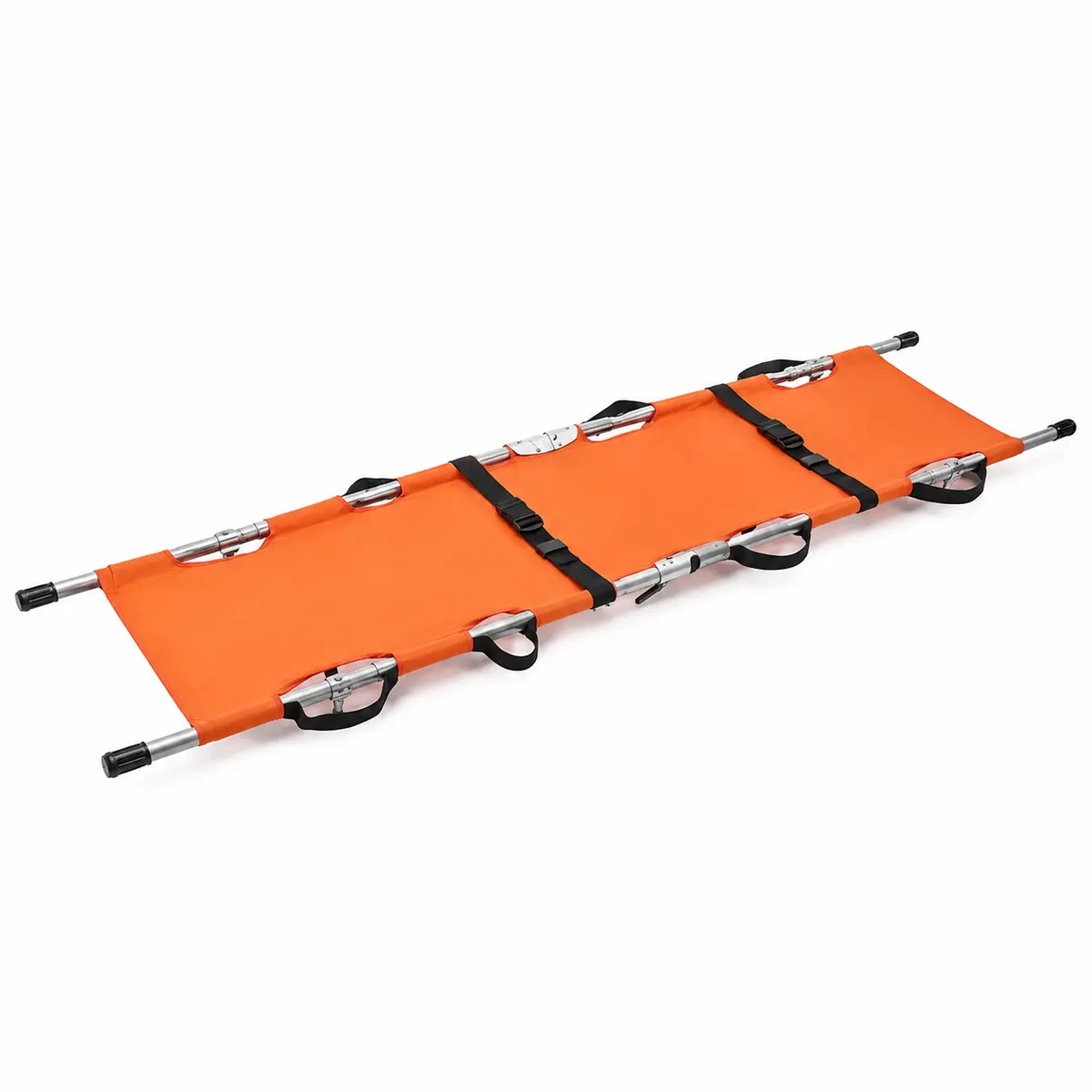
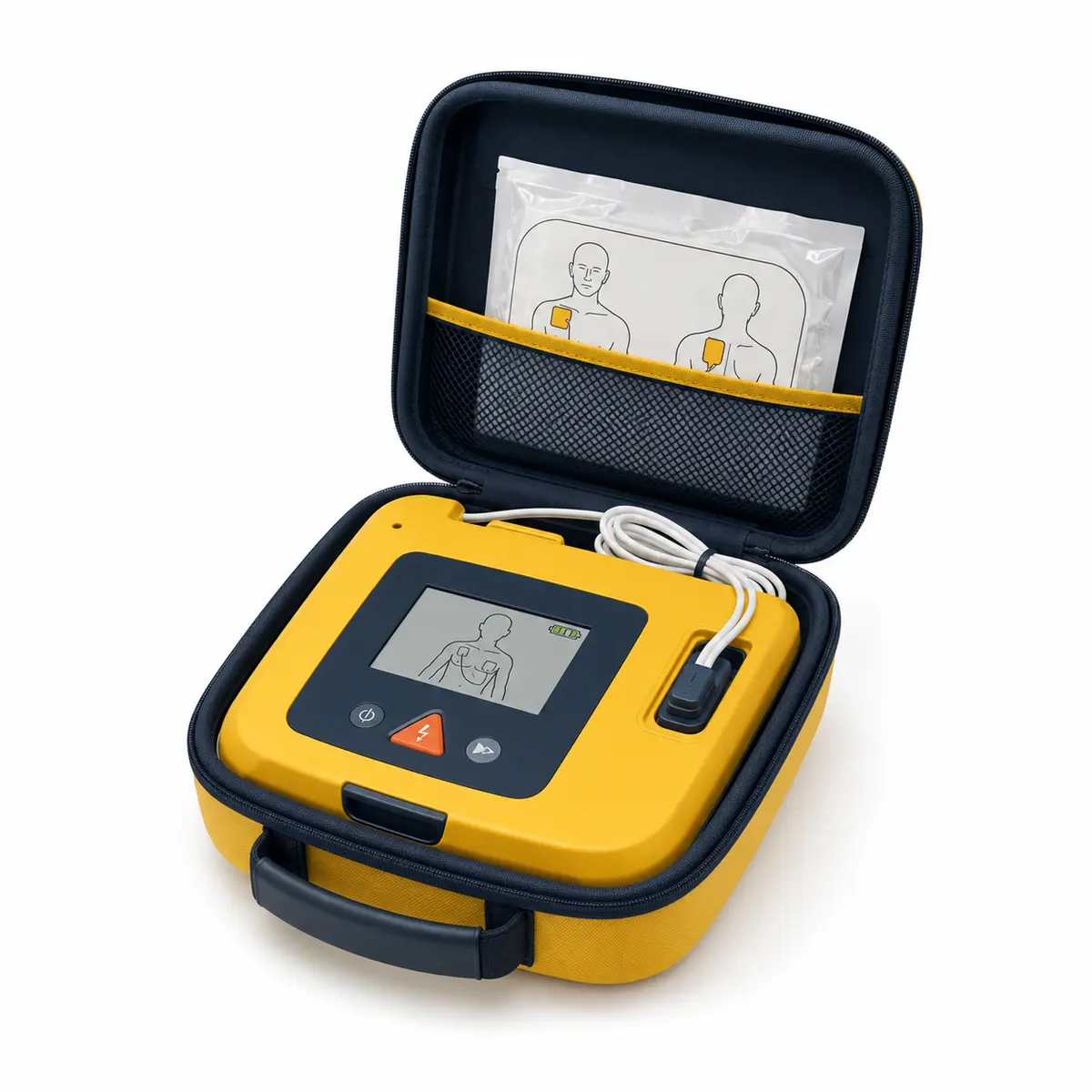
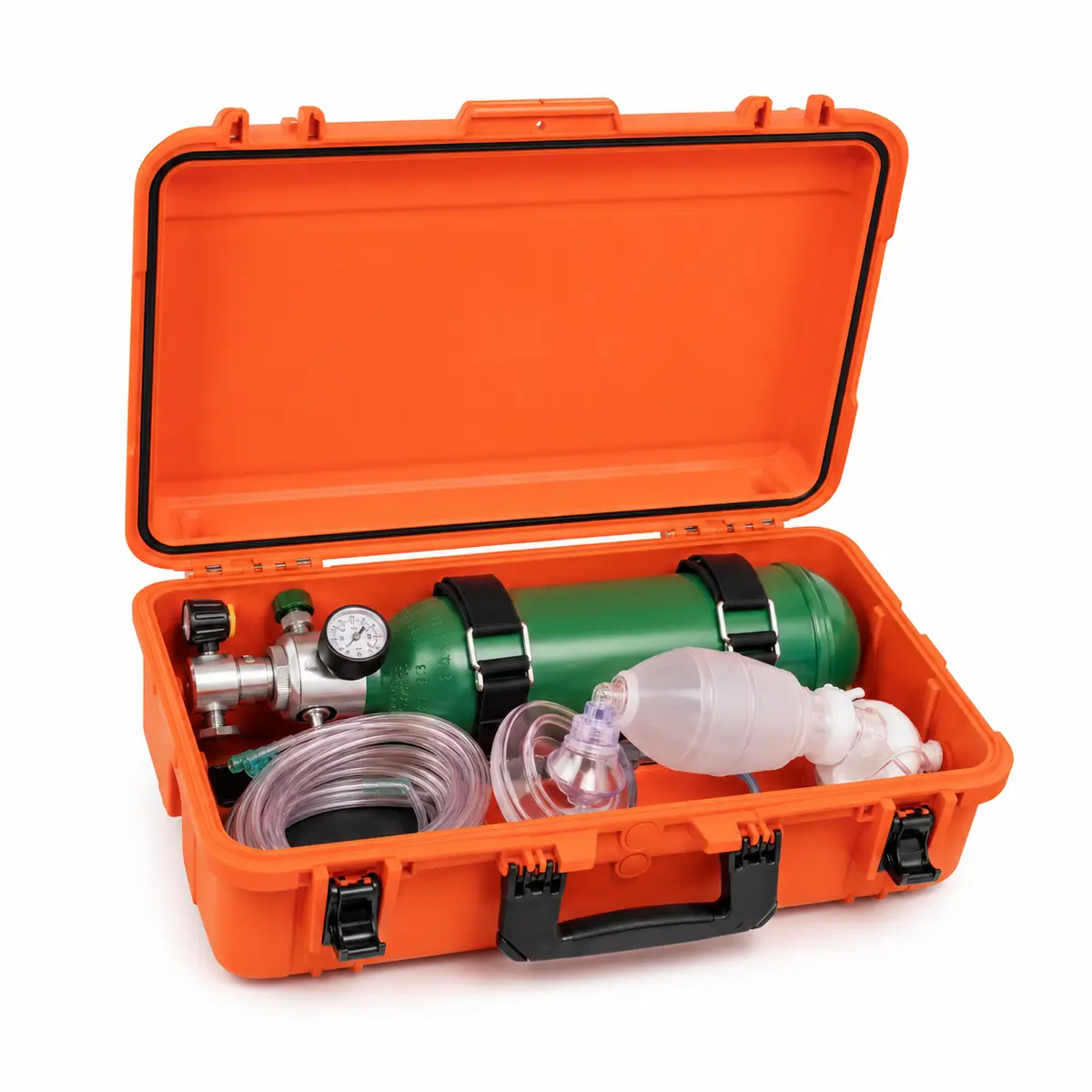
Prepare your vessel, offshore facility or workplace for urgent medical situations with dependable emergency medical supplies selected for the operating environment. SEDA Chemicals supports the sourcing of first aid kits, bleeding-control supplies, burn kits, eyewash equipment, stretchers, AEDs and medical oxygen systems for marine and industrial customers in Qatar.
Explore emergency medical supplies in Qatar for vessels, offshore facilities, workshops, warehouses and industrial sites. Our range covers maritime first aid kits, workplace response kits, trauma and burn care supplies, emergency eyewash equipment, stretchers, AEDs and portable oxygen systems. Each solution should be selected according to workforce size, site hazards, responder competence, regulatory requirements, storage conditions and verified product documentation.
Common applications
Lifeboats and liferafts
Commercial vessels and workboats
Offshore facilities
Engine rooms and workshops
Chemical-handling areas
Emergency response stations
Important selection points
Workplace and vessel risk assessment
Number of personnel and distance from professional medical support
Required approvals or regulatory authorization
Responder training and emergency procedures
Environmental and moisture protection
Expiry, inspection and replenishment schedule
Benefits
Improves emergency readiness
Keeps response equipment organized and accessible
Supports faster first aid while professional assistance is arranged
Allows equipment to be matched to marine and industrial hazards
Limitations
Medical supplies do not replace trained responders or professional treatment
Contents, batteries, pads and other consumables expire
Equipment capability varies by manufacturer and model
Medicines, devices and medical gases may be regulated
Safety considerations
Incorrect medical treatment can worsen an injury. Follow the manufacturer’s instructions, vessel or workplace medical procedures and the direction of qualified personnel. Control exposure to blood and body fluids, secure oxygen cylinders, keep oxygen away from ignition sources, inspect AED batteries and pads, and never publish approval or suitability claims without model-specific evidence.